
Skip to content

Service

Medical Device Installation & Implementation

Connect receiving, staging, installation, and validation in a coordinated path to go-live.

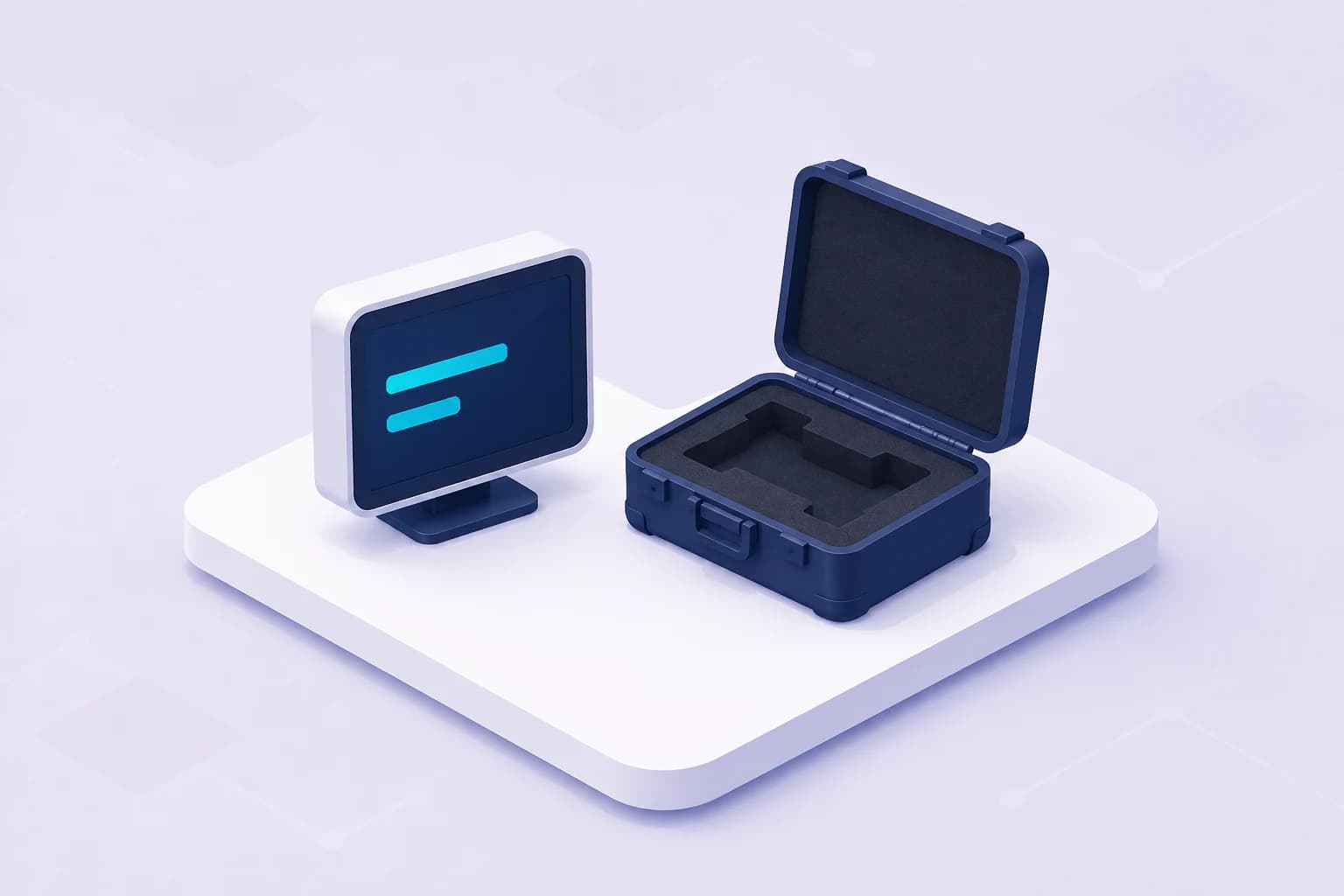
A compact clinical monitor on a fixed stand beside its open protective case.

How the work comes together

Every device needs a plan beyond delivery day.

An implementation plan connects what arrives at the dock to where it will be used. Keep accessories, configuration, room readiness, validation, and training in the same sequence.

  1. 01

    Receive & stage

    Match equipment and accessories to the rollout list. Establish storage, handling, and configuration requirements.

  2. 02

    Prepare the location

    Confirm room access, mounting, power, connectivity, and the dependencies assigned to each team.

  3. 03

    Install & validate

    Coordinate the defined installation and configuration work. Track checks, findings, and unresolved issues.

  4. 04

    Transition to use

    Bring technical results, user preparation, and the receiving support owner together for handoff.

Carry into the handoff
  1. Deployment ledger
  2. Readiness checklist
  3. Installation and validation records
  4. Transition record

From plan to handoff

Keep the device and the destination together.

A device ledger can connect the equipment identifier, destination room, accessories, prerequisites, open issues, and handoff owner. It gives each team the context needed for the next step.

Planning essentials

Prepare for a coordinated rollout.

Clinical engineering, healthcare IT, operations, project, and approved manufacturer teams coordinating device receipt through go-live handoff.

What to resolve early

Make room for the dependencies.

Implementation breaks down when receiving, staging, configuration, rooms, mounting, connectivity, validation, training, issue closure, and support ownership are separate work queues.

Useful starting information
  • Approved device, site, room, and accessory list
  • Configuration and manufacturer instructions
  • Infrastructure, connectivity, identity, and security dependencies
  • Validation, training, go-live, and support expectations
Responsibilities to define
  • Clinical use and patient-care decisions
  • Manufacturer-only configuration or service actions
  • Protected data and production credentials
  • Acceptance, warranty, and regulated documentation

Go a little deeper

Connect receiving, installation and go-live.
  1. Confirm the deployment list

    Align approved devices, accessories, destinations and installation instructions. Record who can authorize configuration, validation and final acceptance for each part of the work.

  2. Prepare the site and equipment

    Coordinate delivery, staging, room access, mounting, power, connectivity and configuration prerequisites. Keep missing items and site constraints visible before deployment.

  3. Coordinate installation

    Follow the approved installation scope and manufacturer instructions. Track asset placement, configuration status, issues and dependencies in the same deployment record.

  4. Validate and hand off

    Bring the authorized technical checks, user preparation and outstanding issues into the acceptance review. Transfer equipment records and support ownership when the responsible teams approve the transition.

Records to carry into the handoff
Deployment ledger
Approved devices, accessories, destination rooms, status and accountable owners.
Readiness checklist
Site and equipment prerequisites with evidence and exception handling.
Installation and validation records
What was completed, which checks were performed and which issues remain open.
Transition record
Acceptance decisions, user preparation, support contacts and follow-up responsibilities.

Common questions

What teams need to know.

Does installation mean a device is clinically ready?

Not by itself. Clinical, technical, manufacturer, regulatory, user, and operational acceptance remain separate responsibilities that must be named.

What reduces go-live surprises?

Use a site and device ledger with prerequisites, owners, validation, exceptions, user readiness, escalation, and a clear handoff decision.

Plan the next step

Plan the device implementation

Start with the equipment or systems involved, the locations, timing and the work that needs to move forward. Define the responsible teams and the decisions needed for a practical starting scope.

Plan a service conversation →