





May is an important month in healthcare. From National Nurses Week and Hospital Week to EMS Week and Healthcare Technology Management (HTM) Week, it offers an opportunity to recognize the many professionals who keep healthcare moving every day.
When people think about healthcare, the first images that often come to mind are physicians, nurses, and caregivers supporting patients on the front lines — and rightly so. They are at the center of care delivery.
But behind every patient room, monitoring system, imaging workflow, and critical medical device is another group working quietly to help hospitals remain operational, connected, and ready when it matters most.
At Progressive Healthcare Solutions, we see firsthand how much coordination, technical expertise, and commitment it takes to support the environments where patient care happens. This May, we want to take a moment to recognize the teams behind healthcare technology reliability — the professionals whose work often happens quietly but makes a meaningful difference every single day.
Celebrating the People Behind the Work
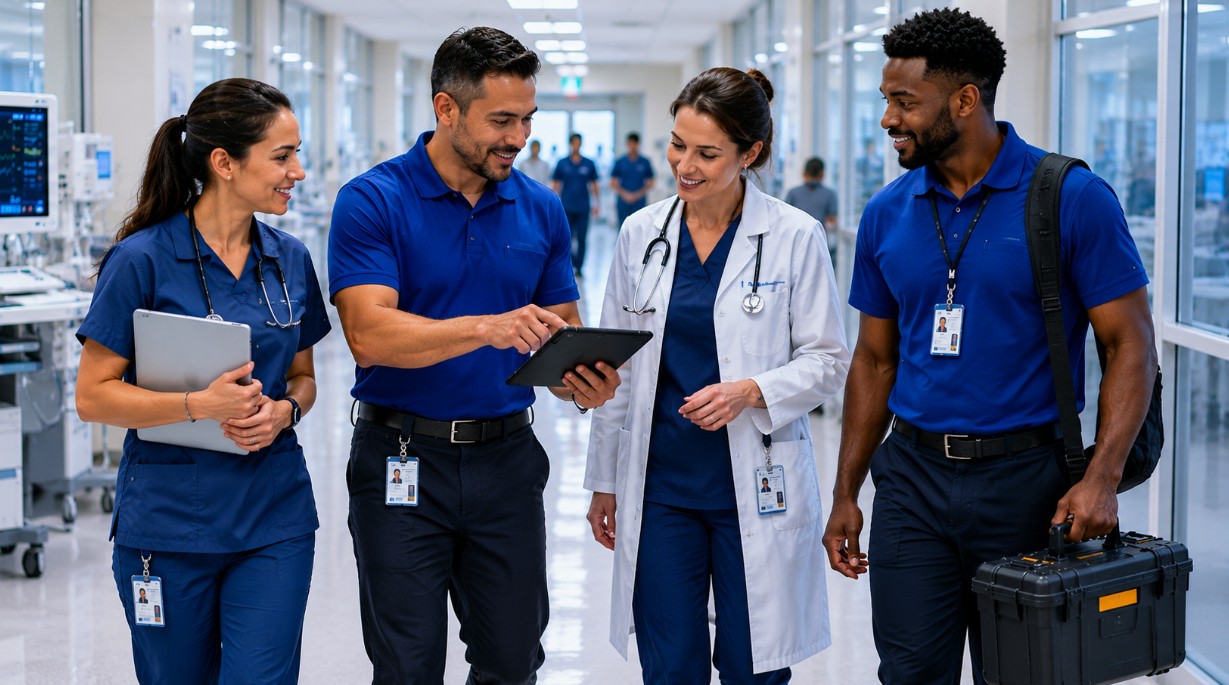
Last week, we had the opportunity to celebrate Healthcare Technology Management (HTM) Week with our team, and it served as a meaningful reminder of the people behind the work.
Taking time to recognize our field service engineers, planners, technical specialists, project coordinators, and support teams gave us an opportunity to reflect on the commitment it takes to support hospitals every day.
What stood out most was the pride our teams carry in what they do. Whether responding to urgent service needs, coordinating schedules behind the scenes, completing preventive maintenance, supporting technology deployments, or helping hospitals navigate operational changes, the work is never just about equipment — it is about helping ensure care can continue without interruption.
Healthcare technology reliability is not built by systems alone. It is built by people.
Reliability Starts Before a Device Is Ever Needed
One of the most important aspects of healthcare technology reliability happens before there is ever a problem.
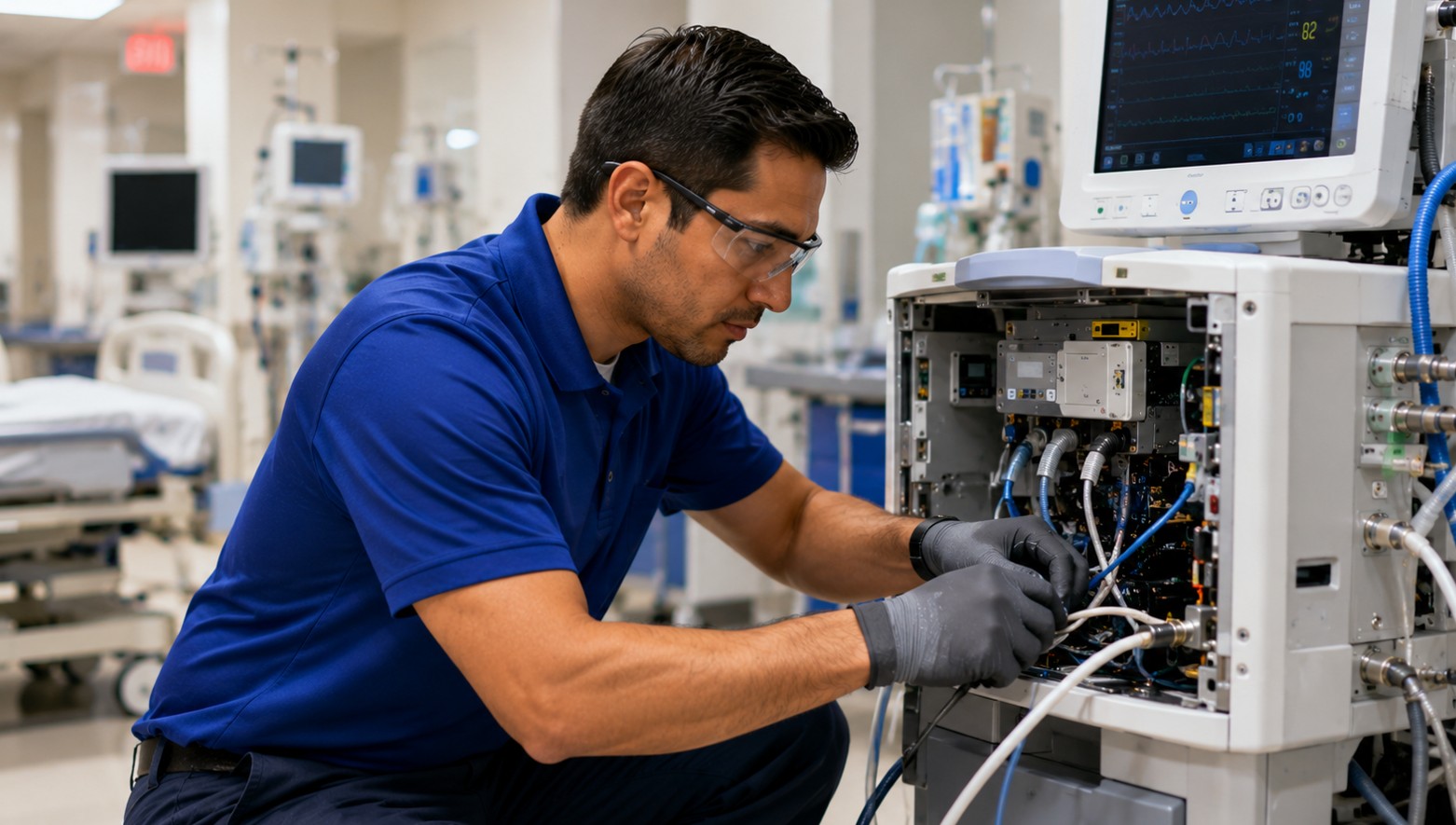
Every week, field service engineers and technical teams perform preventive maintenance, inspections, testing, and readiness activities designed to help ensure equipment performs as intended when clinical teams need it most.
Whether supporting patient monitoring systems, therapeutic care equipment, imaging technologies, or connected clinical environments, proactive service plays an important role in reducing disruptions and helping hospitals maintain operational readiness.
Much of this work happens quietly — often after hours, between patient schedules, or behind closed doors — but its impact is significant.
The Fast Response Moments That Matter
Healthcare environments move quickly, and unexpected issues do not wait for convenient timing.
When technology issues arise, response matters.
A service call may involve troubleshooting a device issue before the start of a busy shift, coordinating replacement parts to minimize downtime, or working alongside hospital staff to restore functionality as quickly as possible.
For technical teams in healthcare, the work is rarely routine. Priorities shift quickly, schedules change, and adaptability becomes part of the job.
The goal is simple: support continuity so care teams can remain focused on patients.
Supporting Hospitals Through Change
Hospitals are constantly evolving.
New systems are implemented. Care spaces expand. Equipment fleets are updated. Compliance activities and manufacturer-required updates must be completed without interrupting operations.
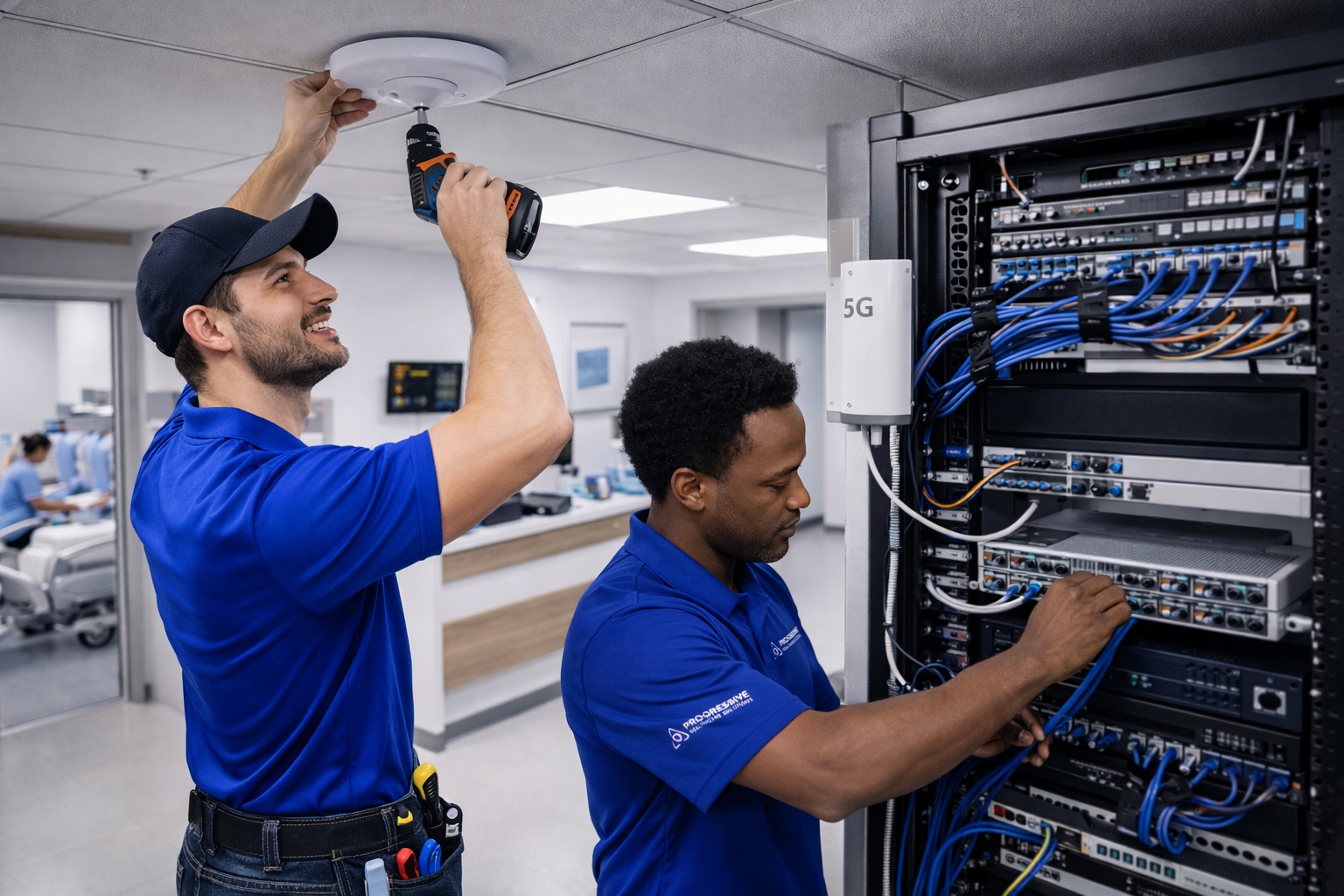
Behind many of these transitions are teams coordinating deployments, installations, corrective actions, preventive maintenance programs, and technical readiness efforts.
Success often depends on collaboration between hospital staff, biomedical teams, clinical IT teams, planners, project coordinators, field engineers, and service organizations working together toward the same outcome — keeping healthcare moving.
What This Looks Like in a Typical Week
For healthcare technology teams, no two weeks look exactly the same. A typical week may include:
- Completing preventive maintenance to ensure equipment is ready before it is needed
- Responding quickly to troubleshoot issues and minimize disruptions
- Supporting hospital technology deployments and system transitions
- Managing corrective actions, updates, and compliance activities
- Coordinating schedules, logistics, and planning to support hospital priorities
While much of this work happens behind the scenes, its impact is felt every day by hospitals, care teams, and ultimately, patients.
The Work That Often Goes Unseen
Some of the most meaningful contributions in healthcare happen quietly.
It may be an engineer staying late to ensure a department is ready the next morning. A planner coordinating multiple moving schedules to support hospital priorities. A technical specialist helping resolve an issue before it becomes a larger operational disruption.
These moments rarely make headlines, but they matter.
Because when healthcare technology works as intended, clinicians can focus on care, hospital teams can operate with confidence, and patients experience fewer disruptions.
A Moment of Recognition
This May, we recognize not only the hospitals, caregivers, and clinical professionals serving patients every day, but also the many operational, technical, and support teams helping healthcare environments remain ready.
To the biomedical teams, clinical IT specialists, facilities teams, planners, field service engineers, project coordinators, Project Managers, and hospital support staff — thank you.
Your work may happen behind the scenes, but its impact is felt every day.

At Progressive Healthcare Solutions, we are proud to support the people and organizations working to keep healthcare technology reliable where it matters most — at the point of care.
And after celebrating HTM Week together last week, one thing stood out clearly: the people behind healthcare technology are what truly keep hospitals moving. We are grateful for the dedication, flexibility, and commitment our teams bring every day — and proud to celebrate the important work they do.