
Before installation
Make the route workable.
- Confirm equipment locations and the physical cable route.
- Coordinate supports, pathways, racks, and trade responsibilities.
- Plan access, phasing, shutdowns, and facility-specific precautions.

Service
Coordinate the pathways, cabling, equipment locations, and test records that support connected healthcare spaces.
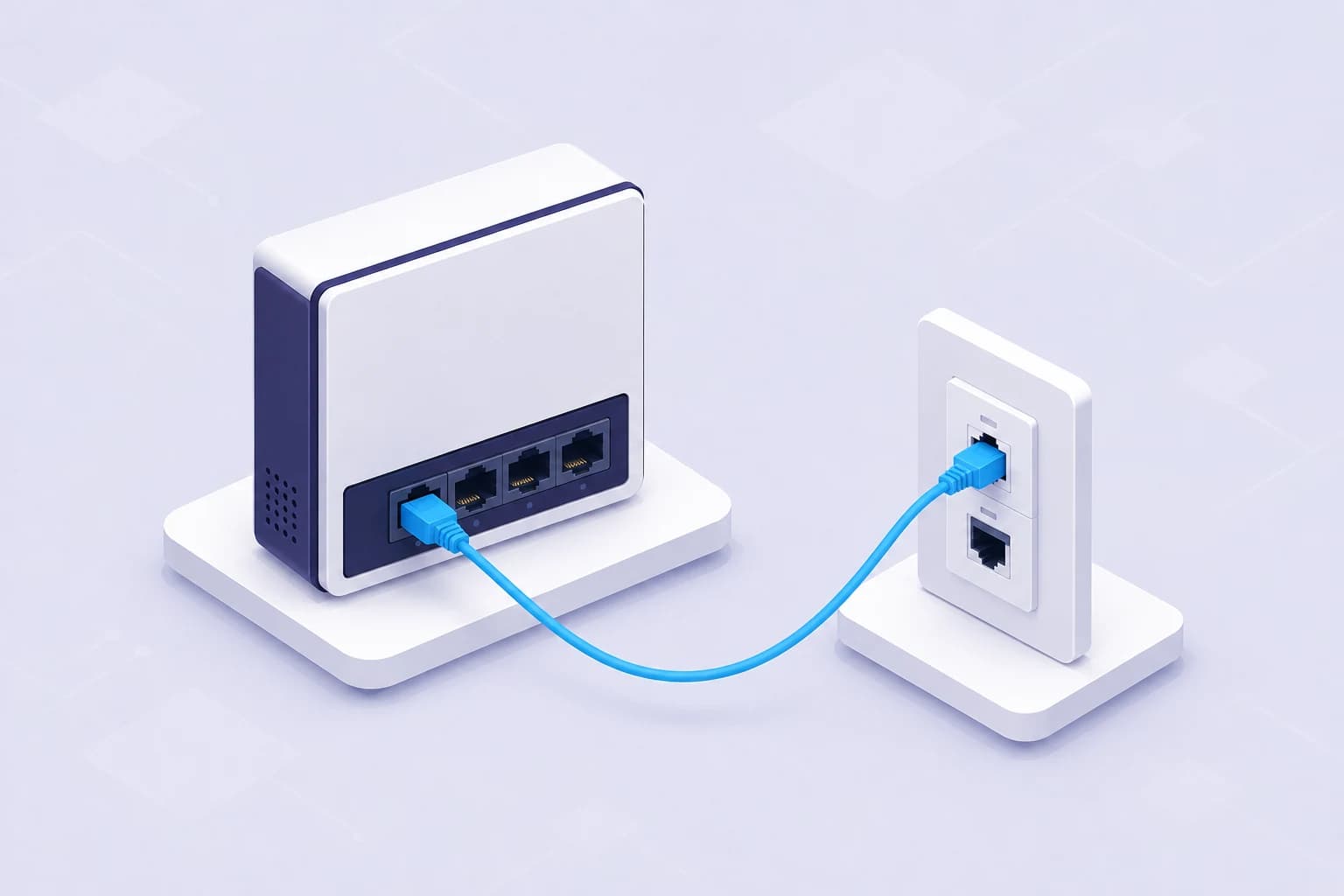
How the work comes together
Infrastructure work in healthcare has to fit the space and its operating constraints. Bring the physical route, installation sequence, labeling, testing, and closeout requirements into the same plan.
Before installation

At closeout
A shared naming convention keeps the field work and the handoff connected.
 Carry into the handoff
From plan to handoff
Link the cable identifier and endpoints to the relevant drawing, test record, and exception list. Agree on the test method and closeout format before the field work starts.
Planning essentials
Healthcare IT, facilities, design, construction, and technology teams coordinating pathways and structured connectivity in clinical environments.
What to resolve early
Cabling work creates downstream risk when equipment locations, pathways, room conditions, labeling, test methods, network ownership, infection control, phasing, and closeout are not resolved together.
Go a little deeper
Compare drawings, equipment locations and existing conditions. Identify pathway, room, rack, access and sequencing questions that need facilities, design or network-team input.
Confirm the approved cable and pathway scope, labeling convention, work areas and test requirements. Coordinate infection-control, access and outage arrangements with the facility.
Align materials, installation sequence and room access with the project schedule. Keep site changes and dependencies tied to the responsible decision owner.
Record results using the agreed method and cable identifiers. Resolve exceptions, update the relevant drawings and confirm acceptance of the scoped installation.
Common questions
The scope should name the standard, test method, identifiers, records, exception process, acceptance owner, and closeout format.
Only within an approved plan for access, phasing, infection control, safety, shutdowns, communications, and operating constraints.
Related services
Plan the next step
Start with the equipment or systems involved, the locations, timing and the work that needs to move forward. Define the responsible teams and the decisions needed for a practical starting scope.
Plan a service conversation → Medical Device Installation & Implementation
 Planning & Project Management