





April is recognized as Stress Awareness Month—a nationally observed campaign since 1992 dedicated to raising awareness about the causes and impact of stress, and more importantly, how to manage it. The 2026 theme emphasizes taking actionable steps to manage chronic stress and build resilience—encouraging individuals and organizations alike to “be the change” in how stress is addressed in both work and life.

In healthcare, stress is often associated with the bedside. But some of the most critical stress happens behind the scenes—where systems, not patients, are failing.
Let’s not be “April fooled” into accepting this as unavoidable.
“Operational stress isn’t inevitable—it’s a symptom of fragmented systems and reactive processes.”
Behind every successful patient outcome is an ecosystem working under pressure to keep systems running—especially Biomedical Technicians (Biomeds) and healthcare technology teams.
They operate in environments where: “Downtime is not just a technical issue—it’s a clinical disruption.”
Where Operational Stress Begins
Operational stress builds from recurring challenges
Equipment Downtime
- Delayed procedures
- Overused backup systems
- Reduced clinical confidence
Reactive Work Environments
- Constant firefighting
- Late risk identification
- Escalations become routine
Administrative Complexity
- Compliance tracking
- Multi-vendor coordination
- Gaps in communication
Who Are Biomeds—and Why They Matter
Biomeds are the backbone of healthcare technology operations.
They ensure:
- Equipment reliability
- Regulatory compliance
- Preventive maintenance
- Clinical support
When systems are fragmented, Biomeds carry the burden—leading to burnout, inefficiencies, and operational risk.
The Real Gap: Projects vs. Service
Most operational stress comes from a disconnect between project execution and ongoing service.
When these operate in silos:
- Preventive maintenance is missed
- Installations lack coordination
- Scheduling conflicts increase
- Documentation becomes inconsistent
“When projects and services are not aligned, inefficiencies multiply—and stress follows.”
Result: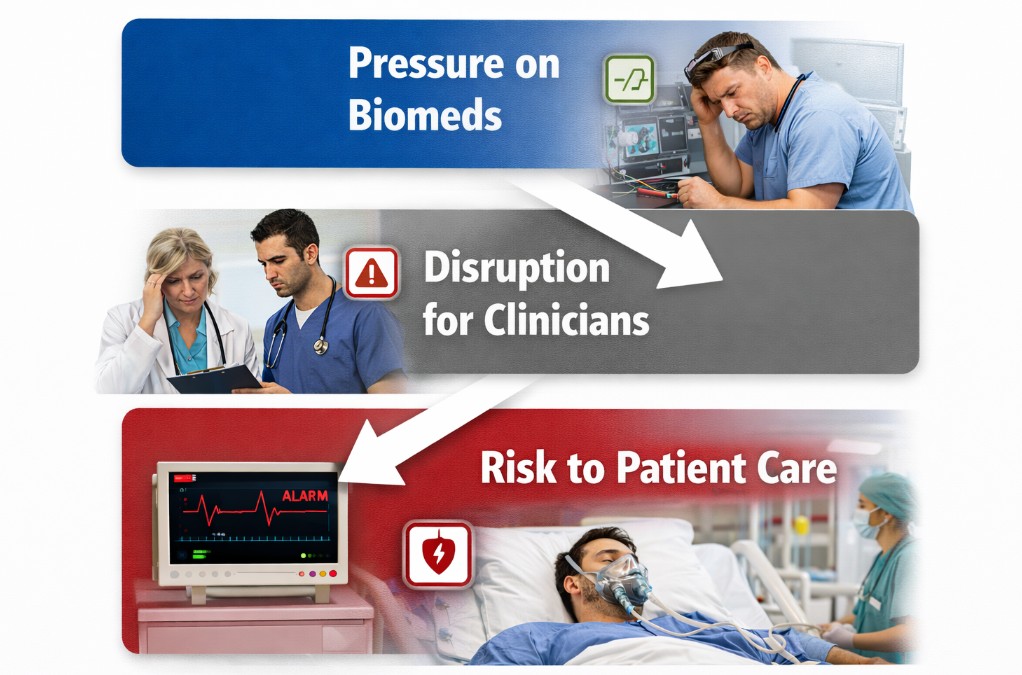
What Actually Reduces Stress
Not more people. Not more tools.
Better structure. Better alignment. Better visibility.
When operations are designed right:
- Maintenance becomes predictable
- Response is coordinated
- Ownership is clear
- Data drives decisions
“Operational stability isn’t a luxury—it’s a requirement.”
A Better Way Forward
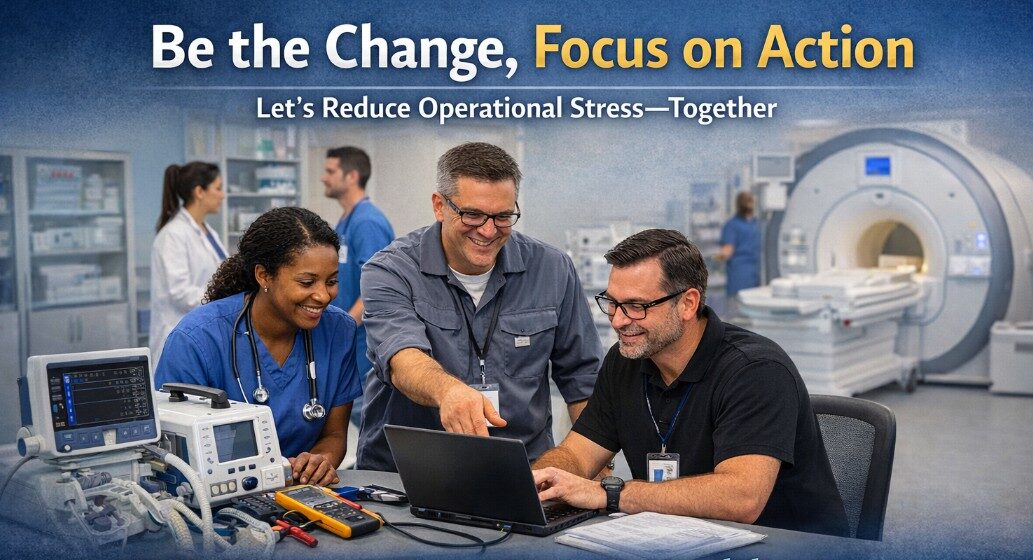
This Stress Awareness Month, the focus should be action—not just awareness.
“Stress should not be the cost of delivering quality healthcare.”
When operations are aligned:
- Biomeds work with clarity
- Clinical teams operate with confidence
- Systems perform reliably
-
At Progressive Healthcare Solutions (PHS), we bring structure, reliability, and control to healthcare technology—helping reduce operational burden so teams can focus on patient care.